Introduction
Welcome to my travel guide on Pichola Lake, one of the most enchanting destinations in India. As an avid traveler, I have explored numerous hidden gems around the world, and Pichola Lake truly stands out. Nestled in the heart of India, this stunning lake offers a unique blend of natural beauty and cultural heritage. Join me as I take you on a journey through the captivating sights and experiences that await you at Pichola Lake.
Discovering Pichola Lake
My first encounter with Pichola Lake was nothing short of magical. The moment I laid my eyes on its gleaming waters, surrounded by majestic palaces and havelis, I knew I had stumbled upon something extraordinary. Located in the historic city of Udaipur, Pichola Lake spans an impressive area of 4 square kilometers, making it one of the largest lakes in Rajasthan.
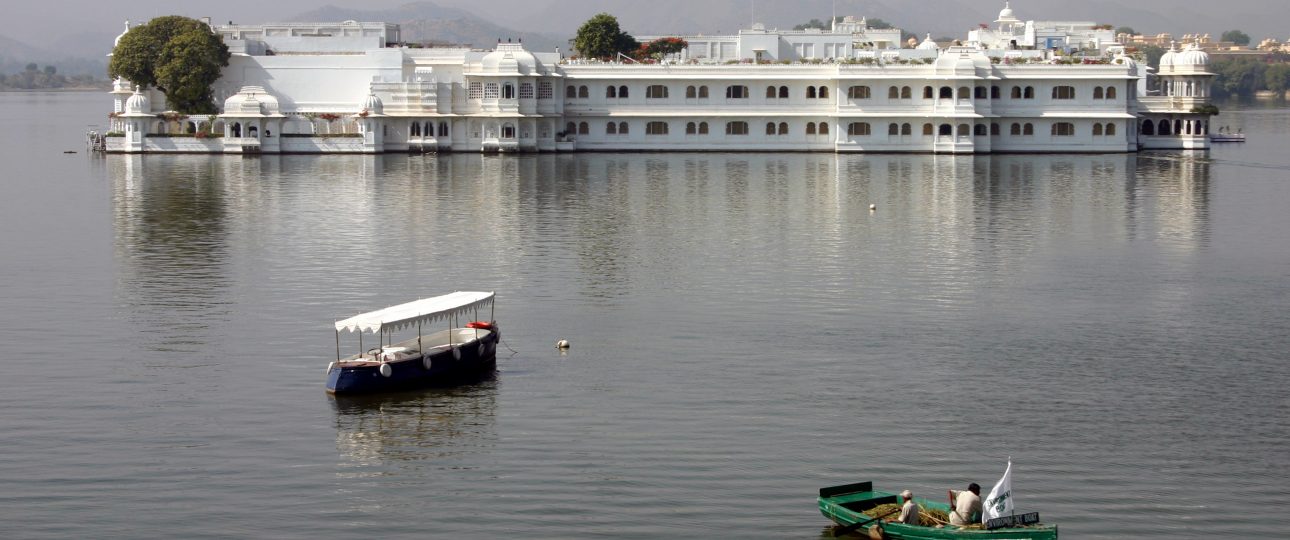
What sets Pichola Lake apart from other lakes in India is its rich history and the architectural marvels that dot its shores. As you sail along its tranquil waters, you’ll be greeted by the iconic Lake Palace, Jag Mandir, and the City Palace Complex, all of which add to the allure of this picturesque destination.
Exploring the Attractions
Pichola Lake offers a myriad of attractions that will leave you spellbound. Here are some must-visit spots:
1. Lake Palace
Imagine staying in a palace that seems to float on water! The Lake Palace, also known as the Jag Niwas, is a breathtaking heritage hotel located on a small island in Pichola Lake. Built in the 18th century, this architectural marvel boasts exquisite marble carvings, lush gardens, and luxurious accommodations. Whether you choose to stay here or simply visit for a meal, the Lake Palace is a must-see attraction that will transport you to a bygone era.
2. Jag Mandir
Another gem on Pichola Lake is Jag Mandir, a stunning palace built on an island. This magnificent structure offers panoramic views of the lake and the surrounding Aravalli Hills. Take a leisurely boat ride to the palace and explore its ornate interiors, beautiful gardens, and the fascinating history behind its construction. Jag Mandir is also a popular venue for weddings and cultural events, adding to its allure.
3. City Palace Complex
The City Palace Complex is a true testament to the grandeur of Rajasthan’s royal heritage. Perched on a hill overlooking Pichola Lake, this sprawling palace complex is a harmonious blend of Rajput and Mughal architectural styles. Explore the opulent courtyards, intricately designed corridors, and the breathtaking views of the lake from its terraces. Don’t miss the Crystal Gallery, which houses a mesmerizing collection of crystal artifacts.
Best Time to Visit
The best time to visit Pichola Lake is during the winter months, from October to March. The weather is pleasant and ideal for exploring the attractions around the lake. Avoid visiting during the monsoon season (July to September) as heavy rains can disrupt your plans.
Getting There and Local Transportation
Getting to Pichola Lake is a relatively easy task. If you’re flying in, the nearest airport is Maharana Pratap Airport in Udaipur, which has regular flights from major cities in India. From the airport, you can hire a taxi or take a pre-paid cab to reach the lake.
If you prefer traveling by train, Udaipur City Railway Station is well-connected to major cities in India. From the railway station, you can hire a taxi or take an auto-rickshaw to reach Pichola Lake.
Once you arrive at Pichola Lake, the best way to explore the area is by boat. You can hire a private boat or join a guided tour to visit the various attractions on the lake. Additionally, auto-rickshaws and taxis are readily available for local transportation within Udaipur.
Summary of Facts
- Pichola Lake is located in the historic city of Udaipur, India.
- It spans an area of 4 square kilometers and is one of the largest lakes in Rajasthan.
- Pichola Lake is home to iconic attractions such as the Lake Palace, Jag Mandir, and the City Palace Complex.
- The best time to visit is during the winter months, from October to March.
- The nearest airport is Maharana Pratap Airport in Udaipur, and the nearest railway station is Udaipur City Railway Station.
- Boats are the best way to explore Pichola Lake, and auto-rickshaws and taxis are available for local transportation within Udaipur.
Conclusion
Pichola Lake is a true gem that showcases the beauty and grandeur of India’s rich cultural heritage. From its serene waters to the magnificent palaces that adorn its shores, this destination never fails to captivate the hearts of travelers. Whether you’re a history enthusiast, a nature lover, or simply seeking a peaceful retreat, Pichola Lake has something to offer for everyone. So pack your bags, embark on an unforgettable journey, and immerse yourself in the magic of Pichola Lake.