Jal Mahal: A Hidden Gem in India
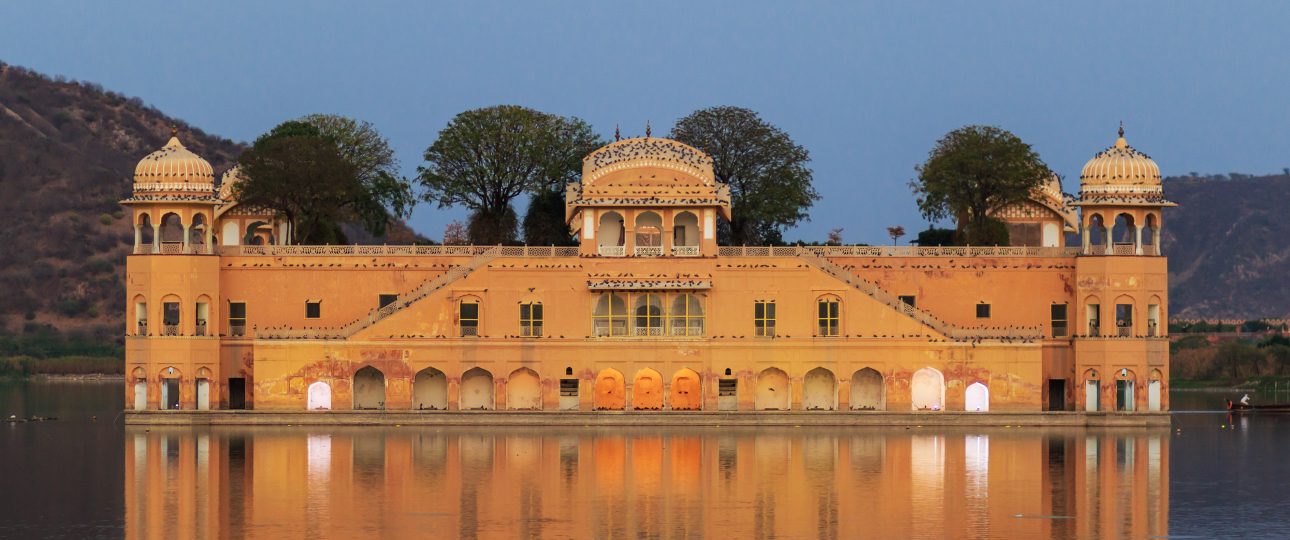
Welcome to my latest travel guide, where I take you on an adventure to one of India’s most captivating destinations – Jal Mahal. Nestled in the heart of Rajasthan, Jal Mahal is a stunning palace surrounded by the serene waters of Man Sagar Lake. With its rich history, architectural beauty, and unique location, Jal Mahal offers a truly unforgettable experience for any traveler.
Discovering the History
As I arrived at Jal Mahal, I couldn’t help but feel the weight of history upon me. Built in the 18th century, this architectural marvel was designed as a pleasure palace for the royal family. The palace’s location, right in the middle of the lake, adds to its allure and mystique. It is said that the kings and queens would use this palace as a summer retreat to escape the scorching heat of Rajasthan.
One of the most fascinating aspects of Jal Mahal is its architectural style. The palace seamlessly blends Rajput and Mughal architectural elements, creating a harmonious and visually stunning structure. The red sandstone facade contrasts beautifully with the tranquil blue waters of the lake, making it a photographer’s paradise.
A Birdwatcher’s Paradise
For nature enthusiasts like myself, Jal Mahal is a haven for birdwatching. The lake surrounding the palace is home to a diverse range of avian species, making it a must-visit destination for bird lovers. As I wandered around the palace, I was greeted by the sight of vibrant migratory birds, such as flamingos, pelicans, and herons. It was a mesmerizing experience to witness these majestic creatures in their natural habitat.
Pro tip: If you’re an avid birdwatcher, make sure to bring your binoculars and a good camera to capture the magic.
Best Time to Visit
While Jal Mahal is a year-round destination, the best time to visit is during the winter months, from November to February. Rajasthan’s scorching summers can be overwhelming, so visiting during the cooler months ensures a more pleasant experience. The weather during this time is mild and comfortable, allowing you to explore the palace and its surroundings without any discomfort.
Furthermore, visiting Jal Mahal during the winter months also provides an opportunity to witness the annual migratory bird population. The lake becomes a bustling hub of avian activity, with countless species making it their temporary home.
How to Get There
Reaching Jal Mahal is quite convenient, thanks to its proximity to Jaipur, the capital city of Rajasthan. If you’re arriving by air, the nearest airport is Jaipur International Airport, which is well-connected to major cities in India. From the airport, you can hire a taxi or take a bus to reach Jal Mahal.
If you prefer traveling by train, Jaipur Junction is the nearest railway station. From there, you can hire a taxi or take a local bus to reach the palace. The journey from the railway station to Jal Mahal takes around 30 minutes.
Once you arrive at Jal Mahal, you’ll be greeted by the mesmerizing sight of the palace reflecting in the calm waters of the lake. It’s a truly enchanting experience that will transport you to a bygone era.
Local Transportation
Getting around Jal Mahal and its surrounding areas is relatively easy and convenient. One of the most popular modes of transportation is hiring a local auto-rickshaw, which allows you to explore the palace and its vicinity at your own pace. The auto-rickshaws are readily available near the palace entrance and offer a hassle-free way to navigate the narrow lanes and bustling streets.
For those who prefer a more immersive experience, renting a bicycle is a fantastic option. Riding through the vibrant streets of Jaipur, with the wind in your hair and the scent of spices in the air, is an experience like no other.
Summary of Facts:
- Jal Mahal is a historic palace located in Rajasthan, India.
- The palace was built in the 18th century as a retreat for the royal family.
- It is situated in the middle of Man Sagar Lake.
- Jal Mahal seamlessly blends Rajput and Mughal architectural styles.
- The palace is a popular destination for birdwatching, with a diverse range of migratory birds.
- The best time to visit Jal Mahal is during the winter months, from November to February.
- Jaipur International Airport is the nearest airport to reach Jal Mahal.
- Jaipur Junction is the nearest railway station to reach Jal Mahal.
- Local transportation options include auto-rickshaws and bicycle rentals.
So, if you’re looking for a unique and enchanting destination, make sure to add Jal Mahal to your travel bucket list. Immerse yourself in history, witness the beauty of nature, and create memories that will last a lifetime. Trust me, this hidden gem in India is worth every moment of your visit.