Kumbhalgarh Fort: Discovering the Majestic Beauty of India
Welcome to my latest travel guide! Today, we are venturing into the heart of India to explore the mesmerizing Kumbhalgarh Fort. This hidden gem is nestled in the rugged Aravalli Hills of the western state of Rajasthan. Join me as we uncover the rich history, breathtaking architecture, and natural beauty that make Kumbhalgarh Fort a must-visit destination for any travel enthusiast.
A Glimpse into History
As I stood at the entrance of Kumbhalgarh Fort, I couldn’t help but be in awe of the centuries of history that surrounded me. This majestic fort, built in the 15th century by Rana Kumbha, stands as a testament to the valor and grandeur of the Mewar dynasty. Its strategic location atop the hills allowed it to serve as a formidable defense against invaders.
Walking through the massive gates, I could feel the stories of battles fought and victories won echoing through the ancient walls. The fort’s architecture is a blend of Rajput and Mughal styles, with intricate carvings and detailed frescoes adorning the walls. It is said that Kumbhalgarh Fort is the birthplace of the legendary Rajput warrior, Maharana Pratap, adding to its historical significance.
The Marvels Within
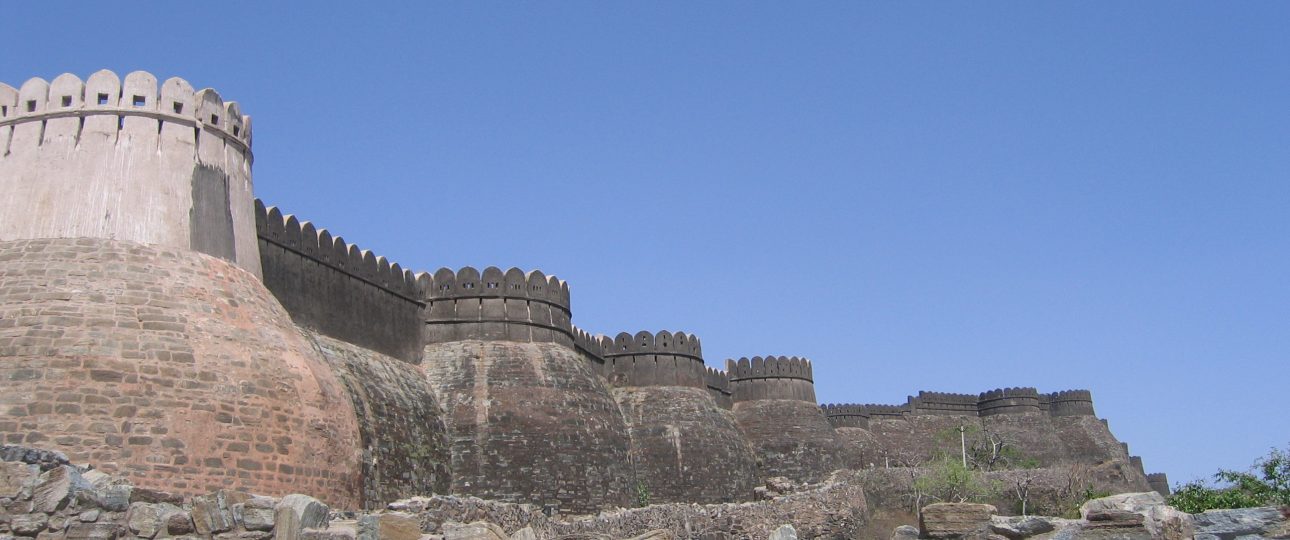
Inside the fort, there is a wealth of attractions waiting to be explored. The most iconic feature is the Great Wall of India, which stretches over 36 kilometers, making it the second longest continuous wall in the world after the Great Wall of China. Walking along the wall, I was mesmerized by the panoramic views of the surrounding countryside and the majestic Aravalli Hills.
As I ventured deeper into the fort, I discovered the Badal Mahal or the Palace of Clouds. True to its name, this palace offers breathtaking views of the clouds floating below, creating a surreal atmosphere. The intricate designs and colorful murals inside the palace left me in awe of the artistic skills of the craftsmen from centuries ago.
Another highlight of the fort is the Neelkanth Mahadev Temple, dedicated to Lord Shiva. This ancient temple, with its beautifully carved pillars and serene atmosphere, is a spiritual haven for both locals and tourists. As I offered my prayers, I couldn’t help but feel a sense of peace and tranquility enveloping me.
Exploring the Surroundings
While the fort itself is a captivating destination, the surrounding area offers even more to explore. One such attraction is the Kumbhalgarh Wildlife Sanctuary, which is home to a diverse range of flora and fauna. Trekking through the sanctuary, I had the opportunity to spot elusive leopards, graceful deer, and an array of colorful birds. Nature lovers will truly appreciate the untouched beauty of this sanctuary.
For those seeking a bit of adventure, a visit to the Thandi Beri Lake is a must. Surrounded by lush greenery and picturesque hills, this tranquil lake provides the perfect setting for boating or simply relaxing amidst nature’s embrace. I spent a lazy afternoon here, immersing myself in the serenity of the surroundings.
When to Visit and How to Get There
The best time to visit Kumbhalgarh Fort is during the winter months, from October to March, when the weather is pleasant and ideal for exploring the outdoors. The summer months can be scorching, so it’s best to avoid visiting during this time.
To reach Kumbhalgarh Fort, the nearest airport is Maharana Pratap Airport in Udaipur, which is well-connected to major cities in India. From the airport, you can hire a taxi or take a bus to reach the fort. If you prefer train travel, the closest railway station is Falna, which is approximately 80 kilometers away from the fort.
Once you arrive at Kumbhalgarh Fort, local transportation options include jeeps and auto-rickshaws, which can take you around the fort and its surrounding areas. However, I highly recommend exploring the fort on foot to truly soak in its grandeur.
Summary of Facts
- Kumbhalgarh Fort is located in the Aravalli Hills of Rajasthan, India.
- It was built in the 15th century by Rana Kumbha.
- The fort is known for its Rajput and Mughal architectural styles.
- The Great Wall of India, stretching over 36 kilometers, is a prominent feature of the fort.
- The Badal Mahal offers stunning views of the surrounding countryside.
- The Neelkanth Mahadev Temple is a spiritual haven within the fort.
- Kumbhalgarh Wildlife Sanctuary is home to diverse flora and fauna.
- Thandi Beri Lake provides a serene setting for boating and relaxation.
- The best time to visit is from October to March.
- The nearest airport is Maharana Pratap Airport in Udaipur.
- The closest railway station is Falna.
- Local transportation options include jeeps and auto-rickshaws.
As I conclude my journey through Kumbhalgarh Fort, I can’t help but feel grateful for the opportunity to witness such a marvel of history and architecture. The fort’s grandeur and the surrounding natural beauty truly make it a destination like no other. Whether you’re a history buff, a nature lover, or simply seeking a unique travel experience, Kumbhalgarh Fort is sure to leave an indelible mark on your heart.
So pack your bags, embark on this adventure, and get ready to create memories that will last a lifetime. Happy travels!