Introduction
Welcome to my travel guide on Kaziranga National Park, a hidden gem nestled in the heart of India. As an avid traveler, I am always on the lookout for unique destinations that offer both natural beauty and cultural richness. Kaziranga National Park is one such place that has captivated my heart and left me in awe of its breathtaking landscapes and diverse wildlife.
Discovering Kaziranga National Park
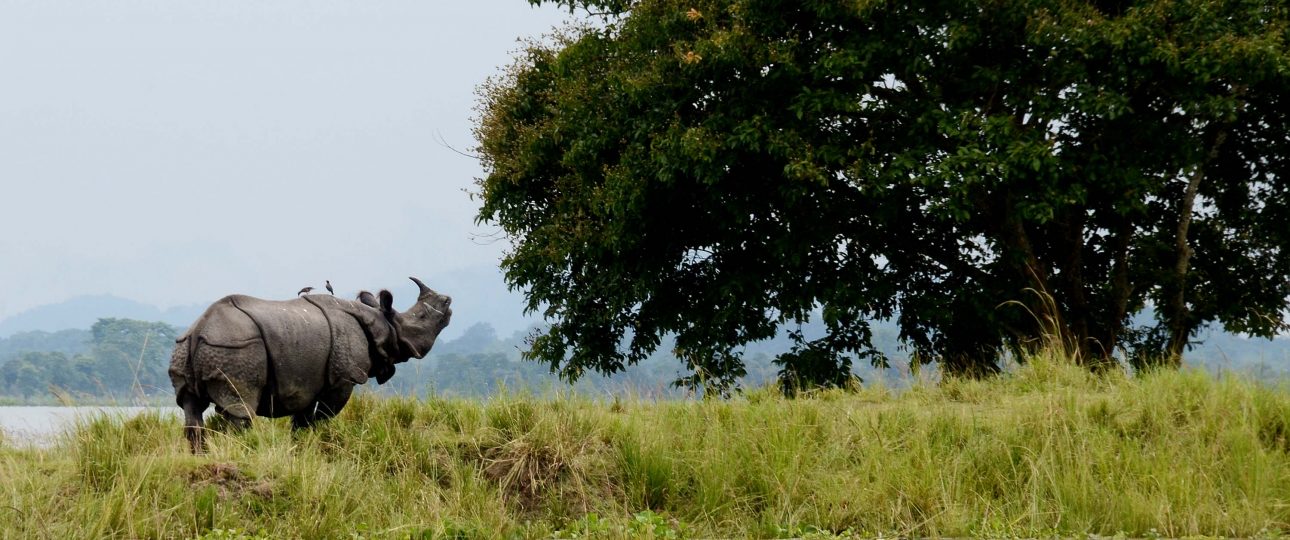
Located in the northeastern state of Assam, Kaziranga National Park is a UNESCO World Heritage Site and a paradise for nature enthusiasts. Spread across an area of approximately 430 square kilometers, this park is known for its significant population of the endangered Indian one-horned rhinoceros. But that’s not all; Kaziranga is also home to numerous other wildlife species, making it a must-visit destination for wildlife lovers.
Unique Wildlife
One of the main highlights of Kaziranga National Park is its diverse wildlife. Apart from the Indian one-horned rhinoceros, you can also spot majestic tigers, wild elephants, water buffaloes, and swamp deer. The park is a birdwatcher’s paradise too, with over 500 species of birds, including the rare Bengal florican and great Indian hornbill. It’s truly a haven for wildlife enthusiasts.
Thrilling Safari Experiences
Exploring Kaziranga National Park is an adventure in itself. The park offers both jeep safaris and elephant safaris, allowing visitors to get up close and personal with the incredible wildlife. The jeep safaris take you deep into the heart of the park, where you can spot rhinos grazing peacefully or tigers prowling in the tall grass. The elephant safaris, on the other hand, offer a unique vantage point, allowing you to observe wildlife from a higher perspective.
Best Time to Visit
The best time to visit Kaziranga National Park is during the winter months, from November to April. The weather during this time is pleasant, with cool temperatures and minimal rainfall. It is also the peak season for wildlife sightings, as animals gather near water bodies, making them easier to spot. However, if you prefer a quieter and less crowded experience, visiting during the shoulder seasons of October and May can also be a great option.
Getting There
To reach Kaziranga National Park, you can fly into Lokpriya Gopinath Bordoloi International Airport in Guwahati, which is the nearest major airport. From there, you can hire a taxi or take a bus to reach the park, which is approximately a 4-hour drive away. If you prefer traveling by train, the nearest railway station is Furkating Junction, located about 75 kilometers from the park.
Local Transportation
Once you reach Kaziranga National Park, there are various modes of local transportation available to explore the area. Jeep safaris are the most popular way to navigate through the park, and they can be arranged through the park authorities or local tour operators. Additionally, there are also local buses and auto-rickshaws available for shorter distances.
Accommodation Options
When it comes to accommodation, Kaziranga National Park offers a range of options to suit every traveler’s needs. From luxurious resorts to budget-friendly guesthouses, you’ll find plenty of choices in and around the park. Some popular options include the Kaziranga Resort, IORA – The Retreat, and the Wild Grass Lodge. It’s advisable to book your accommodation in advance, especially during the peak season, to secure the best deals.
Summary of Facts
- Kaziranga National Park is located in the northeastern state of Assam, India.
- It is a UNESCO World Heritage Site.
- The park is known for its population of the endangered Indian one-horned rhinoceros.
- Kaziranga is home to various wildlife species, including tigers, elephants, and swamp deer.
- Over 500 species of birds can be found in the park.
- The best time to visit is from November to April.
- The nearest major airport is Lokpriya Gopinath Bordoloi International Airport in Guwahati.
- Jeep and elephant safaris are popular ways to explore the park.
- Local transportation options include buses, auto-rickshaws, and jeep safaris.
- Accommodation options range from luxury resorts to budget-friendly guesthouses.
Conclusion
Kaziranga National Park is truly a hidden gem in India. Its unique wildlife, thrilling safari experiences, and stunning landscapes make it a must-visit destination for any nature lover. Whether you’re an adventure seeker or a wildlife enthusiast, this park will leave you with memories that will last a lifetime. So pack your bags and get ready to embark on an unforgettable journey to Kaziranga National Park!