Welcome to Kanha National Park!
Are you ready for an adventure like no other? Kanha National Park in India is a hidden gem just waiting to be discovered. As an avid traveler with a passion for exploring unique destinations, I can confidently say that Kanha National Park is a must-visit for nature enthusiasts and wildlife lovers.
Unveiling the Natural Wonders
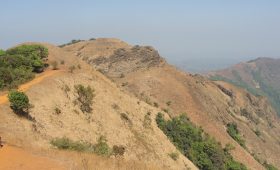
When you step foot into Kanha National Park, you’ll be instantly captivated by its breathtaking natural beauty. The park spans over 940 square kilometers and is nestled in the Maikal range of the Satpura Hills. Its diverse landscape, comprising lush forests, grassy meadows, and serene streams, provides a perfect habitat for a wide variety of flora and fauna.
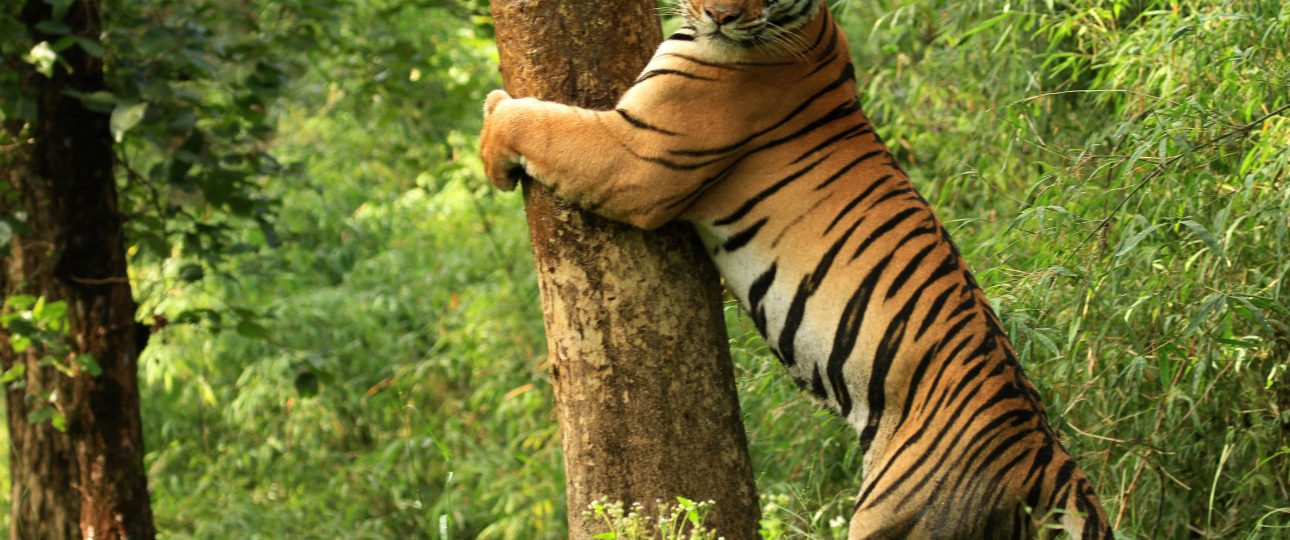
One of the unique features of Kanha National Park is its abundant population of tigers. The park is known for its successful conservation efforts, making it one of the best places in India to spot these majestic creatures in their natural habitat. Keep your eyes peeled and your camera ready for a chance to witness the awe-inspiring beauty of a tiger roaming freely in the wild.
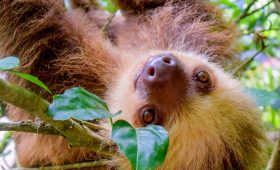
But tigers aren’t the only stars of the show at Kanha National Park. The park is also home to a rich assortment of other wildlife, including leopards, sloth bears, wild dogs, and Indian gaur. Bird lovers will be delighted by the park’s avian residents, which include species like the Indian roller, Malabar pied hornbill, and the vibrant paradise flycatcher.
Exploring the Park
Now that you know what awaits you at Kanha National Park, let’s dive into the practical details of planning your visit. The best time to visit the park is during the winter months of November to February when the weather is pleasant. During this time, the park’s vegetation is not as dense, making it easier to spot wildlife.
Getting to Kanha National Park is relatively straightforward. If you’re flying in from abroad, you can book a flight to Jabalpur Airport. From there, it’s a scenic drive of approximately four hours to reach the park. Alternatively, you can also choose to take a train to Gondia Railway Station, which is closer to the park, and then hire a taxi or take a bus to your destination.
Once you’ve arrived at the park, you have several options for exploring its vast expanse. Jeep safaris are a popular choice, allowing you to venture deep into the heart of the park accompanied by knowledgeable guides. These safaris give you the best chance of spotting wildlife and experiencing the park’s natural wonders up close.
If you prefer a more immersive experience, you can also opt for a walking safari. Accompanied by trained naturalists, you’ll have the opportunity to explore the park on foot, learning about its ecosystem and getting a closer look at its flora and fauna. Just remember to follow the rules and regulations to ensure both your safety and the preservation of the park.
Embracing the Local Culture
While Kanha National Park offers a paradise for nature lovers, it’s also an opportunity to immerse yourself in the local culture and traditions. The surrounding villages are home to indigenous communities, such as the Gond and Baiga tribes, who have lived in harmony with the park for centuries.
Take the time to visit these villages and engage with the locals. You’ll be warmly welcomed into their homes, where you can learn about their way of life, traditional crafts, and even participate in cultural activities. It’s a chance to gain a deeper understanding of the symbiotic relationship between the people and the park, and appreciate the efforts made to preserve this unique ecosystem.
Accommodation and Local Cuisine
When it comes to accommodation, Kanha National Park offers a range of options to suit every traveler’s preferences. From luxury resorts to eco-friendly lodges, you’ll find a variety of choices that cater to your needs. Many of these accommodations are nestled amidst the natural beauty of the park, allowing you to wake up to the sounds of birdsong and the rustling of leaves.
Now, let’s talk about food. One of the highlights of any trip is indulging in the local cuisine, and Kanha National Park doesn’t disappoint. The region is known for its delicious tribal food, prepared with locally sourced ingredients and traditional cooking techniques. From steaming hot bafla (a savory bread) to spicy kebabs and flavorful curries, your taste buds are in for a treat.
Summary of Facts:
- Kanha National Park is located in India.
- The park spans over 940 square kilometers and is nestled in the Maikal range of the Satpura Hills.
- Kanha National Park is renowned for its tiger population and successful conservation efforts.
- Other wildlife species in the park include leopards, sloth bears, wild dogs, and Indian gaur.
- The park is a haven for birdwatchers, with species like the Indian roller and paradise flycatcher.
- The best time to visit Kanha National Park is during the winter months of November to February.
- The park can be reached by flying to Jabalpur Airport or taking a train to Gondia Railway Station.
- Jeep safaris and walking safaris are popular ways to explore the park.
- The surrounding villages are home to indigenous communities, such as the Gond and Baiga tribes.
- Accommodation options in Kanha National Park range from luxury resorts to eco-friendly lodges.
- The local cuisine offers a variety of delicious tribal dishes.
So, what are you waiting for? Pack your bags, put on your adventurous spirit, and get ready to embark on a journey through the wonders of Kanha National Park. It’s a destination that promises to leave you with memories that will last a lifetime.