Welcome to Tirthan Valley: A Hidden Gem in India
Hey there, fellow travel enthusiasts! Today, I’m going to take you on a virtual journey to one of the most magical destinations I’ve ever had the pleasure of visiting: Tirthan Valley, nestled in the heart of India. Get ready to be enchanted by its breathtaking natural beauty, rich cultural heritage, and warm hospitality. Trust me, this is a destination you don’t want to miss!
Discovering the Untouched Beauty
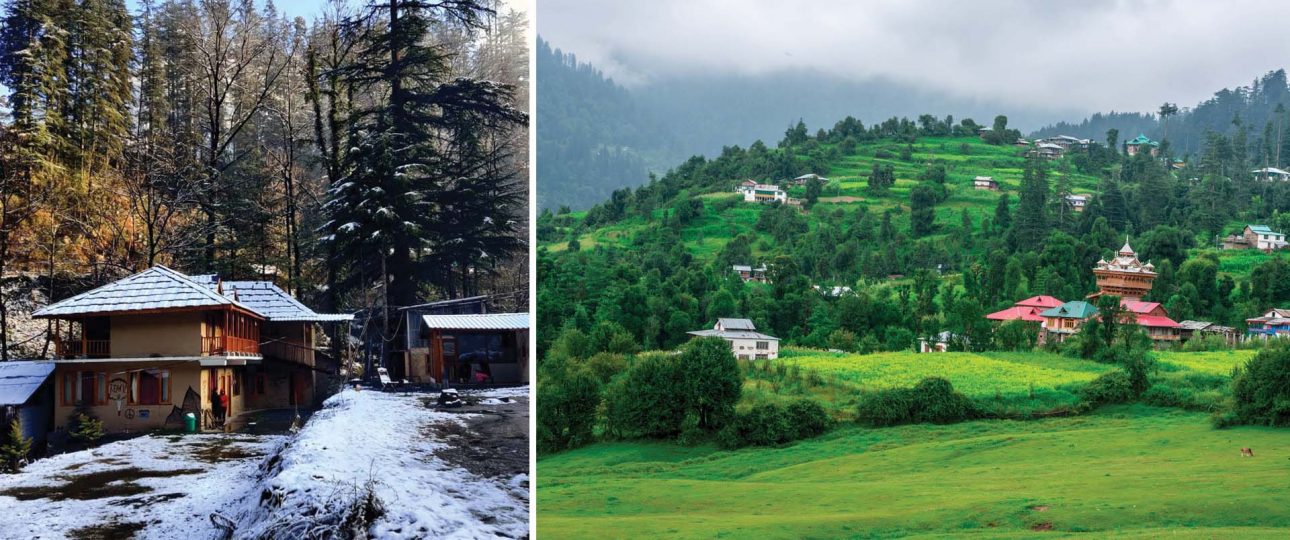
As I set foot in Tirthan Valley, I was immediately struck by the untouched beauty that surrounded me. The valley is located in the Kullu district of Himachal Pradesh, and it’s a true paradise for nature lovers. The crystal-clear Tirthan River flows through the valley, adding to its charm and serenity. The lush green forests, snow-capped mountains, and glistening waterfalls create a picture-perfect setting that will leave you in awe.
One of the things that sets Tirthan Valley apart from other destinations is its pristine environment. The valley is a part of the Great Himalayan National Park, a UNESCO World Heritage Site, which means that it’s protected and well-preserved. This makes it an ideal destination for those seeking an escape from the chaos of city life and a chance to immerse themselves in nature.
Best Time to Visit
If you’re planning a visit to Tirthan Valley, it’s important to know the best time to go. The valley experiences pleasant weather throughout the year, but the ideal time to visit is from April to June and from September to November. During these months, the weather is mild, and you can enjoy a variety of outdoor activities such as trekking, fishing, and birdwatching.
During the summer months, the valley comes alive with vibrant colors as the flowers bloom and the trees are in full bloom. The monsoon season, from July to August, brings heavy rainfall, so it’s best to avoid visiting during this time as the roads can get slippery and dangerous. Winter, from December to February, is a magical time to visit if you want to experience snowfall and witness the valley transform into a winter wonderland.
Getting to Tirthan Valley
Getting to Tirthan Valley is an adventure in itself. The nearest airport is Bhuntar Airport, which is approximately 50 kilometers away. From the airport, you can hire a taxi or take a local bus to reach the valley. If you prefer traveling by train, the nearest railway station is Joginder Nagar, which is around 100 kilometers away. From there, you can hire a taxi or take a bus to reach Tirthan Valley.
Once you reach the valley, you can explore the area on foot or hire a local taxi. The valley is relatively small, so getting around is easy. Just be prepared for narrow mountain roads and occasional traffic jams during peak tourist season. If you’re feeling adventurous, you can also rent a bike and explore the valley at your own pace.
Must-See Attractions in Tirthan Valley
1. Serolsar Lake
One of the highlights of Tirthan Valley is the stunning Serolsar Lake. Surrounded by dense forests and towering mountains, this pristine lake offers a tranquil retreat for those seeking solace in nature. The trek to the lake is a moderate one and takes you through picturesque landscapes, making it a must-visit for adventure enthusiasts.
2. Great Himalayan National Park
A visit to Tirthan Valley is incomplete without exploring the Great Himalayan National Park. This biodiverse wonderland is home to a wide range of flora and fauna, including rare and endangered species. You can embark on guided treks and wildlife safaris to witness the incredible biodiversity of the park up close.
3. Jalori Pass
If you’re up for a thrilling adventure, a visit to Jalori Pass is a must. Situated at an altitude of 3,120 meters, this mountain pass offers breathtaking views of the surrounding valleys and snow-capped peaks. The drive to the pass is an adventure in itself, with hairpin bends and mesmerizing scenery at every turn.
4. Chehni Kothi
For history buffs, a visit to Chehni Kothi is a must. This ancient fortress dates back to the 17th century and stands tall as a symbol of the region’s rich cultural heritage. The intricate woodwork and architecture of the fort will leave you awe-struck, and the panoramic views from the top are simply breathtaking.
Where to Stay
When it comes to accommodation, Tirthan Valley offers a range of options to suit every budget and preference. From cozy guesthouses and homestays to luxury resorts, you’ll find plenty of choices. Personally, I recommend staying in a homestay to get a taste of the local culture and hospitality. The locals are warm and welcoming, and staying with them will give you a unique insight into their way of life.
Summary of Facts:
- Tirthan Valley is located in the Kullu district of Himachal Pradesh, India.
- It is a part of the Great Himalayan National Park, a UNESCO World Heritage Site.
- The best time to visit Tirthan Valley is from April to June and from September to November.
- The nearest airport is Bhuntar Airport, and the nearest railway station is Joginder Nagar.
- Must-see attractions in Tirthan Valley include Serolsar Lake, Great Himalayan National Park, Jalori Pass, and Chehni Kothi.
- Accommodation options in Tirthan Valley range from guesthouses and homestays to luxury resorts.
So there you have it, folks! Tirthan Valley is a hidden gem that deserves a spot on every traveler’s bucket list. Whether you’re seeking adventure, tranquility, or a glimpse into the rich cultural heritage of India, this valley has it all. So pack your bags, embark on this unforgettable journey, and let Tirthan Valley weave its magic on you. Happy travels!