India

Tawang, Arunachal Pradesh

Tawang is worth the long road only if you give it enough time. Treating it as a quick detour from Guwahati is the easiest way to turn a remarkable Himalayan destination into two exhausting days in a car. The town sits around 3,000 metres above sea level, the approach crosses high mountain terrain, and the best-known excursions climb higher still. Our recommendation: allow at least four nights between Dirang and Tawang, acclimatise before going higher, and keep one day flexible for weather or road changes.

This guide focuses on what can be verified and planned. It does not pretend that every viewpoint will be open or that a permit guarantees access. Border-area rules, snow and rain can change the day.

Why Tawang justifies the journey

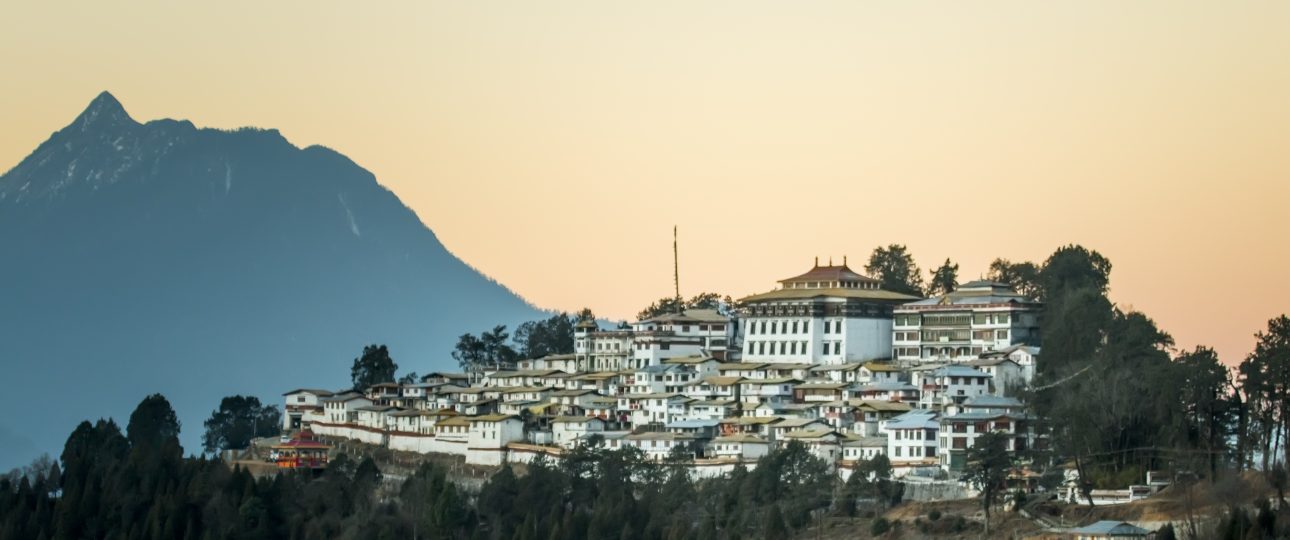
Tawang is not merely a scenic hill town. Its centre of gravity is Tawang Monastery, a 17th-century Gelug Buddhist complex founded by Merak Lama Lodre Gyatso. It remains a living religious institution, not a film set. Visit early, dress modestly, keep voices low and ask before photographing people or ceremonies.

The district is part of the cultural landscape of the Monpa people, and the monastery remains central to local religious life. That is what makes Tawang distinctive. The mountains are dramatic, but a respectful visit should leave room for the place as it is lived, rather than reducing it to a checklist of viewpoints.

A realistic itinerary

Day 1: break the road journey in Dirang

The Tawang district administration describes Guwahati as the usual gateway and estimates the road journey at roughly 480 km and 14 to 16 hours. Doing that in one push is possible, but it is a poor first-day plan for most travellers. An overnight stop around Dirang or Bomdila makes the journey safer, reduces fatigue and introduces altitude more gradually.

Day 2: reach Tawang and stay low

Arrive, check the latest district advisory and resist the urge to drive straight to the highest lakes. Use the afternoon for the market, a short walk and rest. The district's September 2025 safety advisory recommends at least one acclimatisation day in Tawang before high-altitude excursions.

Day 3: monastery and war memorial

Give the monastery a proper morning instead of a hurried photo stop. Incredible India currently lists visiting hours from 7:00 to 19:00, but religious events can affect access, so confirm locally. Later, visit Tawang War Memorial for context on the 1962 India-China conflict. Avoid triumphalist sightseeing: this is a memorial, and the border history remains sensitive.

Day 4: choose one high-altitude excursion

Bum La is about 37 km from Tawang and around 4,600 metres above sea level. The district administration states that a separate permit involving the Deputy Commissioner's office and the Indian Army is required. Access can still be refused because of weather, road or security conditions. Do not plan the entire trip around it, and do not assume that rules for Indian and foreign visitors are identical.

If Bum La is unavailable, that does not make the day a failure. Ask locally about a lower-altitude alternative or visit Nuranang Falls near Jang on the return road. The useful choice is the safe one, not the highest pin on a map.

Permits: two different questions

WhereWhat to verify
Entry to Arunachal PradeshIndian nationals need an Inner Line Permit. Use the official Arunachal eILP portal. Foreign nationals should verify the current Protected Area Permit process through an Indian mission or authorised operator.
Bum La and regulated border areasA separate local permit and security clearance may be required. Confirm current eligibility and documents with the Tawang Deputy Commissioner's office after arrival.

Apply through official channels and carry printed and digital copies. A travel blog cannot reliably promise processing time or access: those are government decisions.

Altitude and road safety matter more than the itinerary

Tawang is high; Sela and Bum La are considerably higher. Headache, nausea, unusual fatigue, dizziness or breathlessness should not be dismissed as inconvenience. Ascend gradually, hydrate, avoid a high excursion immediately after arrival and seek medical help if symptoms worsen. Travellers with heart, lung or other relevant medical conditions should discuss the trip with a clinician before departure.

The district advisory specifically warns visitors not to walk on frozen lakes, recommends experienced drivers in snow, and asks travellers to monitor weather and road conditions. It also notes a local ban on single-use plastic cups and plates. These are not minor etiquette points: thin ice, exposure and mountain roads create real risk.

When to go

There is no universally safe “best month”. Spring and autumn are popular, which means accommodation should be booked early, while winter can bring snow and access problems. The monsoon can bring heavy rain and road disruption. Check the district advisory page close to departure and again before any high-altitude day. A forecast read weeks earlier is not enough.

Who should go — and who should reconsider

  • Go if Buddhist heritage, mountain landscapes and slow overland travel are central to the trip.
  • Reconsider if you have only a weekend from Guwahati, dislike long mountain drives or need a fixed itinerary with no weather buffer.
  • Plan medically if altitude may aggravate an existing condition.
  • Skip Bum La without regret if conditions or permits are uncertain. Tawang Monastery and the Monpa cultural landscape are the reason to travel here; the border checkpoint is optional.

Before you leave

  • Secure the correct Arunachal entry permit from an official source.
  • Plan a staged road journey and use an experienced mountain driver.
  • Keep at least one flexible day.
  • Confirm accommodation, heating and payment options directly.
  • Carry warm layers, rain protection, essential medicine and offline copies of documents.
  • Check district advisories and current road conditions immediately before travel.
  • Browse the ETT India destination guides for other stops, or return to Expats Travel Together to see current group trips.

Bottom line: Tawang rewards preparation, time and restraint. The strongest trip is not the one that reaches every restricted viewpoint; it is the one that reaches the monastery safely, understands why the place matters and leaves enough flexibility for the mountains to set the pace.