Introduction
Welcome to my latest travel guide! Today, I want to take you on an adventure to the mesmerizing Chitrakoot Falls in India. Having traveled to many breathtaking destinations, I can confidently say that Chitrakoot Falls is a hidden gem that deserves to be explored. In this comprehensive guide, I will share my personal experiences, practical travel tips, and everything you need to know to make the most of your visit to this unique destination.
Discovering Chitrakoot Falls
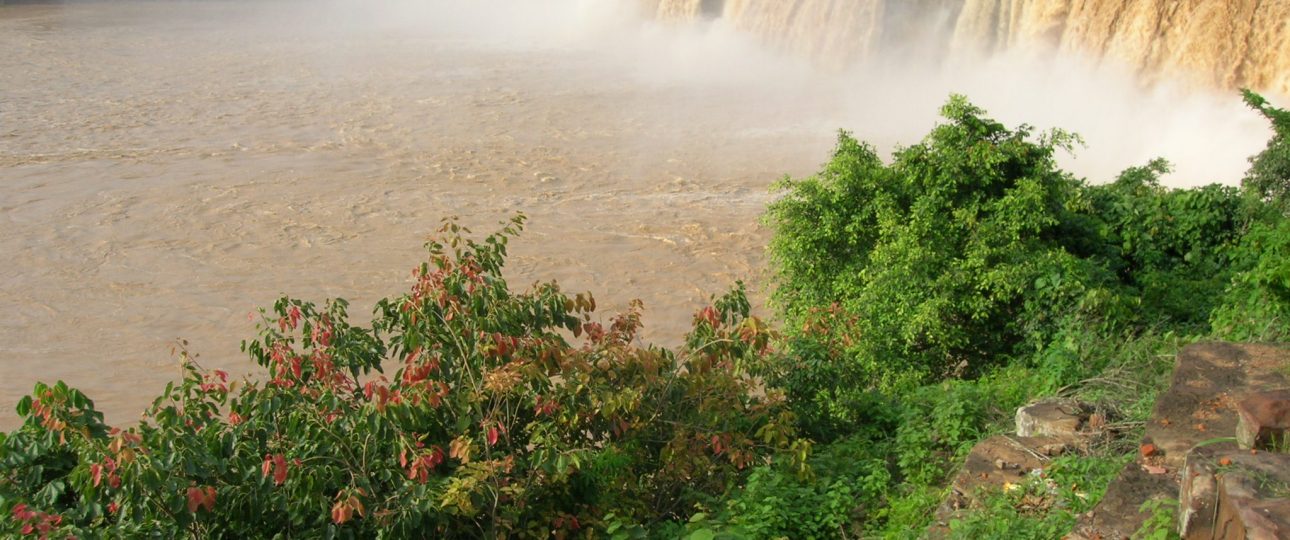
When I first arrived at Chitrakoot Falls, I was immediately captivated by its natural beauty. Located in the central Indian state of Chhattisgarh, Chitrakoot Falls is often referred to as the “Niagara Falls of India.” The falls are formed by the Indravati River and cascade down in a series of stunning waterfalls. The combination of lush green surroundings, the roaring sound of water, and the cool mist in the air create a truly enchanting atmosphere.
What Makes Chitrakoot Falls Unique?
Chitrakoot Falls stands out for several reasons. Firstly, its sheer size is impressive. With a total width of over 985 feet and a height of approximately 98 feet, these falls are one of the widest waterfalls in Asia. The grandeur and power of the cascading water are truly awe-inspiring.
Secondly, Chitrakoot Falls is nestled amidst a dense forest, creating a serene and untouched environment. The surrounding greenery and the sound of chirping birds add to the tranquility of the place, making it a perfect escape from the hustle and bustle of everyday life.
Lastly, Chitrakoot Falls is steeped in mythology and holds great spiritual significance. According to Hindu mythology, Lord Rama, the seventh avatar of Lord Vishnu, spent his exile years in the nearby forests of Chitrakoot. The area is dotted with several ancient temples and is considered a sacred pilgrimage site.
Best Time to Visit
The best time to visit Chitrakoot Falls is during the monsoon season, which typically lasts from July to October. During this time, the falls are at their fullest, creating a breathtaking spectacle. The lush green surroundings are also at their prime, making it a perfect time for nature lovers to explore the area. However, it’s important to note that the heavy rainfall during the monsoon season can result in slippery paths and limited accessibility, so caution is advised.
How to Get There
Getting to Chitrakoot Falls is relatively straightforward. The nearest major city is Raipur, the capital of Chhattisgarh. From Raipur, you can hire a private car or take a bus to Jagdalpur, which is approximately 250 kilometers away from Chitrakoot Falls. From Jagdalpur, it’s a scenic two-hour drive to the falls. Alternatively, you can also take a train to Jagdalpur and then arrange for local transportation to reach the falls.
Local Transportation
Once you reach Chitrakoot Falls, there are several options for local transportation. The most convenient way to explore the falls and its surroundings is by hiring a local guide who can provide insights into the history, mythology, and hidden gems of the area. Additionally, there are designated walking trails and viewpoints from where you can admire the falls. For those who prefer a more adventurous experience, boat rides are available to take you closer to the base of the falls, allowing you to feel the mist on your face and experience the raw power of nature.
Summary of Facts
- Chitrakoot Falls is located in the central Indian state of Chhattisgarh.
- The falls are formed by the Indravati River and are one of the widest waterfalls in Asia.
- The falls have a total width of over 985 feet and a height of approximately 98 feet.
- Chitrakoot Falls is often referred to as the “Niagara Falls of India.”
- The best time to visit is during the monsoon season (July to October).
- Chitrakoot Falls is surrounded by a dense forest, creating a serene and untouched environment.
- The area holds great spiritual significance and is a sacred pilgrimage site for Hindus.
- The nearest major city is Raipur, and from there, it’s a two-hour drive to the falls.
- Local transportation options include hiring a guide, walking trails, and boat rides.
Conclusion
Chitrakoot Falls is a destination that truly captures the imagination. Its natural beauty, mythological significance, and serene surroundings make it a must-visit for any traveler seeking an off-the-beaten-path experience. Whether you’re a nature lover, history enthusiast, or simply looking for a peaceful retreat, Chitrakoot Falls has something to offer for everyone. So pack your bags, embark on this adventure, and prepare to be enchanted by the wonders of Chitrakoot Falls!