Welcome to Bhimbetka Rock Shelters: A Hidden Gem in India
As an avid traveler, I am constantly on the lookout for unique and off-the-beaten-path destinations. One such hidden gem that I recently discovered is the Bhimbetka Rock Shelters in India. Nestled amidst the lush greenery of the Vindhya Hills, this archaeological site is a treasure trove of ancient rock paintings and offers a glimpse into the rich history of our ancestors.
Unveiling the Ancient Art
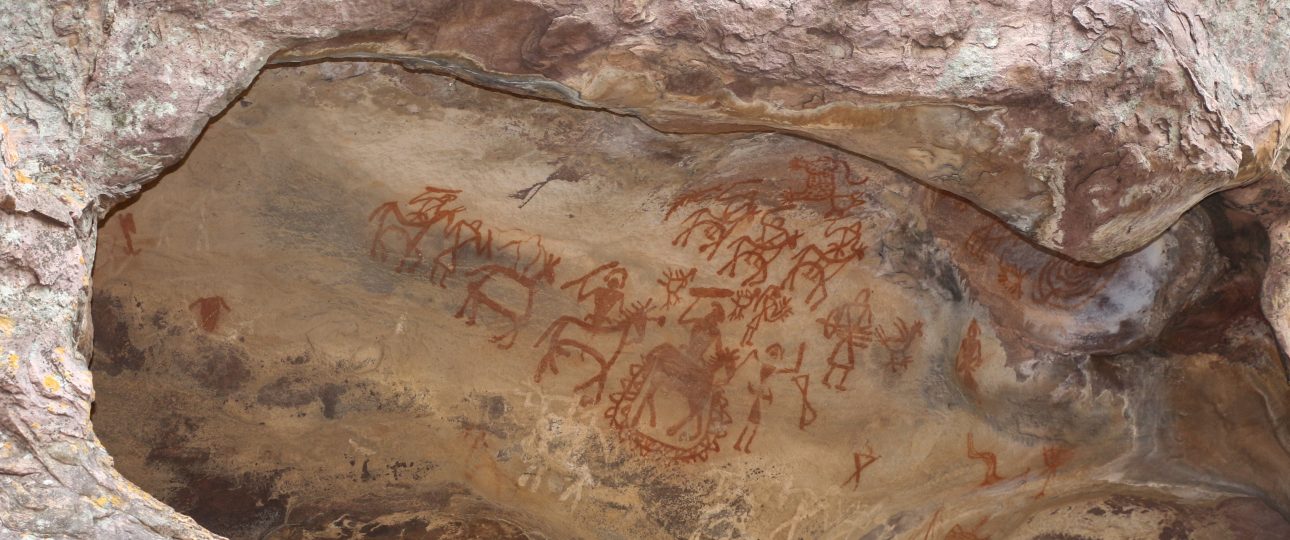
One of the main attractions of Bhimbetka is its mesmerizing collection of rock paintings, dating back to the Paleolithic era. As I walked through the lush forest, I couldn’t help but be awestruck by the intricate and vibrant artwork adorning the cave walls. These paintings depict scenes from everyday life, including hunting, dancing, and communal gatherings.
What makes these paintings truly remarkable is their preservation over thousands of years. The natural rock formations have acted as a protective shield, safeguarding these art pieces from the ravages of time. It’s truly a humbling experience to witness such ancient art in its original form.
Step into History
Stepping into the Bhimbetka Rock Shelters feels like stepping back in time. The caves, with their weathered entrances and dimly lit interiors, transport you to a bygone era. As I explored the various caves, I couldn’t help but imagine the lives of the early humans who once inhabited this area.
One particular cave that left a lasting impression on me is the Auditorium Cave. Its expansive walls are adorned with paintings of dancers and musicians, suggesting that it may have served as a gathering place for cultural performances. Standing in that cave, I could almost hear the echoes of ancient melodies and the rhythmic beats of drums.
Getting There
Reaching Bhimbetka Rock Shelters is relatively straightforward. The site is located in the Raisen district of Madhya Pradesh, approximately 45 kilometers south of Bhopal, the state capital. If you’re traveling from Bhopal, you can hire a taxi or take a local bus to reach Bhimbetka. The journey takes about an hour, and the scenic route offers glimpses of the picturesque countryside.
Exploring the Surrounding Area
While Bhimbetka is the main attraction, there are other interesting places to explore in the vicinity. Just a short distance away, you’ll find the Bhojpur Temple, known for its magnificent architecture and massive Shiva Lingam. This temple is a testament to the rich cultural heritage of the region and is definitely worth a visit.
If you’re a nature enthusiast, make sure to visit the nearby Bhimbetka Caves, which are not to be confused with the rock shelters. These natural caves offer a different kind of adventure, with their stalactite and stalagmite formations. Exploring these caves is like entering a magical underground world.
Best Time to Visit
The best time to visit Bhimbetka Rock Shelters is during the winter months, from October to March. The weather is pleasant, with cool temperatures and minimal rainfall. Exploring the site in the early morning or late afternoon allows you to avoid the midday heat and enjoy the natural beauty of the surroundings.
Local Transportation
Once you reach Bhimbetka, you can explore the rock shelters on foot. The site is well-maintained, and there are designated pathways that guide you through the different caves. Comfortable walking shoes and a bottle of water are essential, as you’ll be doing a fair amount of walking and climbing.
If you prefer a more immersive experience, you can also hire a local guide who can provide valuable insights into the history and significance of the rock shelters. Their knowledge and expertise will enrich your visit and help you appreciate the site even more.
Summary of Facts
- Bhimbetka Rock Shelters is an archaeological site located in the Raisen district of Madhya Pradesh, India.
- The rock shelters house ancient rock paintings dating back to the Paleolithic era.
- The paintings depict scenes from everyday life, including hunting, dancing, and communal gatherings.
- The site is well-preserved due to the natural rock formations.
- The Auditorium Cave is a notable cave with paintings of dancers and musicians.
- Reaching Bhimbetka is easy, with Bhopal being the nearest city.
- The Bhojpur Temple and Bhimbetka Caves are nearby attractions worth exploring.
- The best time to visit is from October to March.
- Exploring the rock shelters on foot is recommended, and hiring a local guide can enhance the experience.
Visiting Bhimbetka Rock Shelters is like embarking on a journey through time. The rich history, awe-inspiring art, and natural beauty of the surroundings make it a destination unlike any other. Whether you’re a history enthusiast, an art lover, or simply someone in search of unique travel experiences, Bhimbetka will leave an indelible mark on your heart and mind.